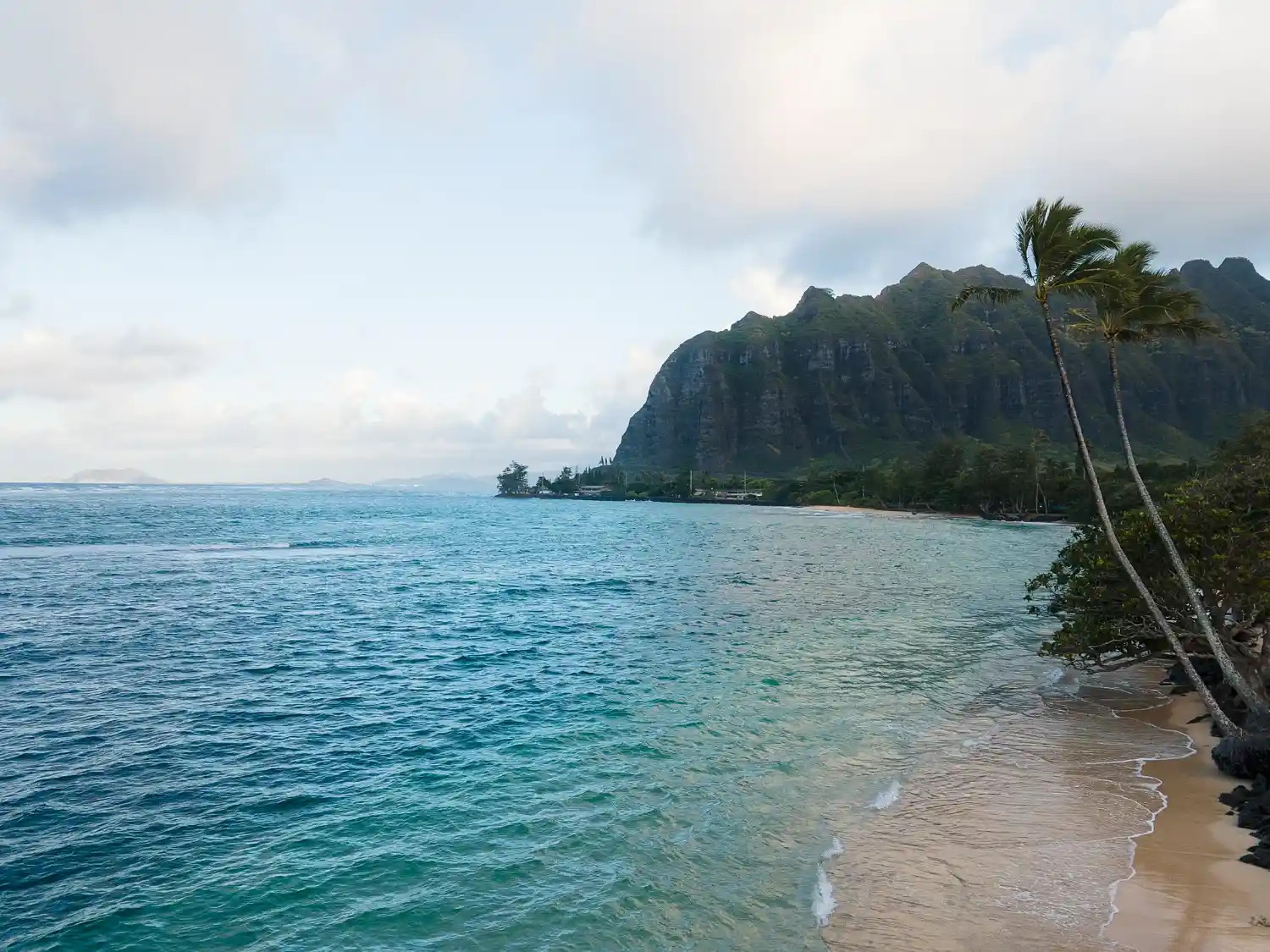
People constantly ask how many islands does Hawaii have when they study the geography of the Pacific Ocean. The official count includes exactly one hundred thirty-seven recognized landmasses spreading across fifteen hundred miles of water. You will find a mix of eight major destinations, dozens of tiny atolls, and numerous coral reefs in this massive archipelago.
The Eight Major Landmasses
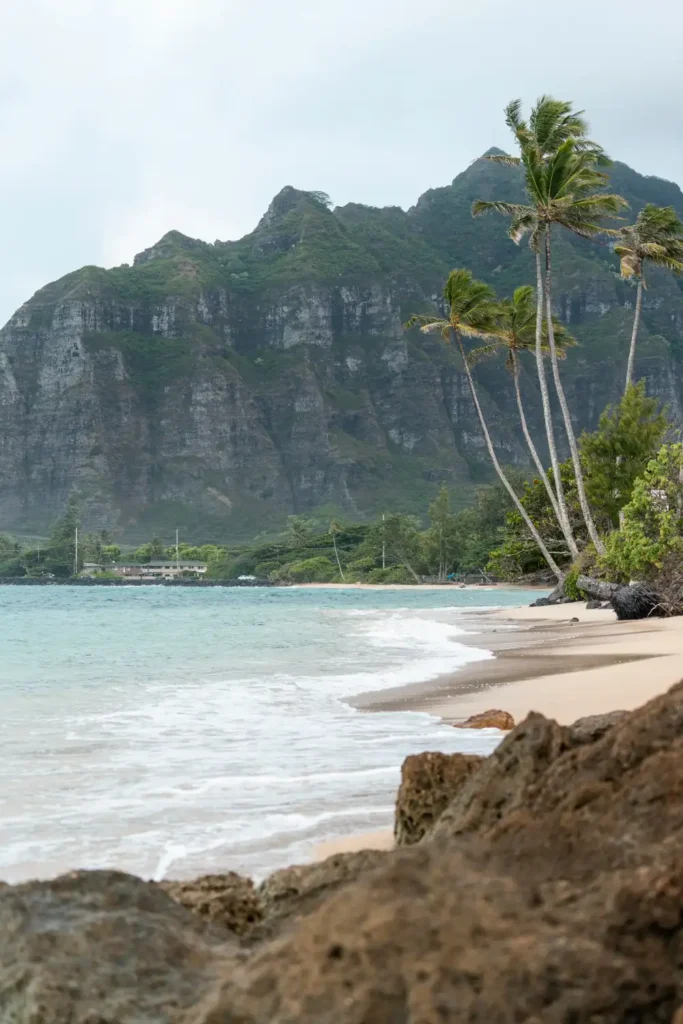
Most travelers and students focus their attention on the eight main volcanic landmasses. These primary destinations include Hawaii, Maui, Oahu, Kauai, Molokai, Lanai, Niihau, and Kahoolawe. Each specific location developed a unique ecosystem and distinct cultural history over millions of years.
The vast majority of the state population lives on just four of these main territories. You can find massive resort areas, busy international airports, and large university campuses clustered in these populated zones. The remaining four major territories maintain strict access rules or lack basic tourist infrastructure entirely.
Exploring The Northwestern Atolls
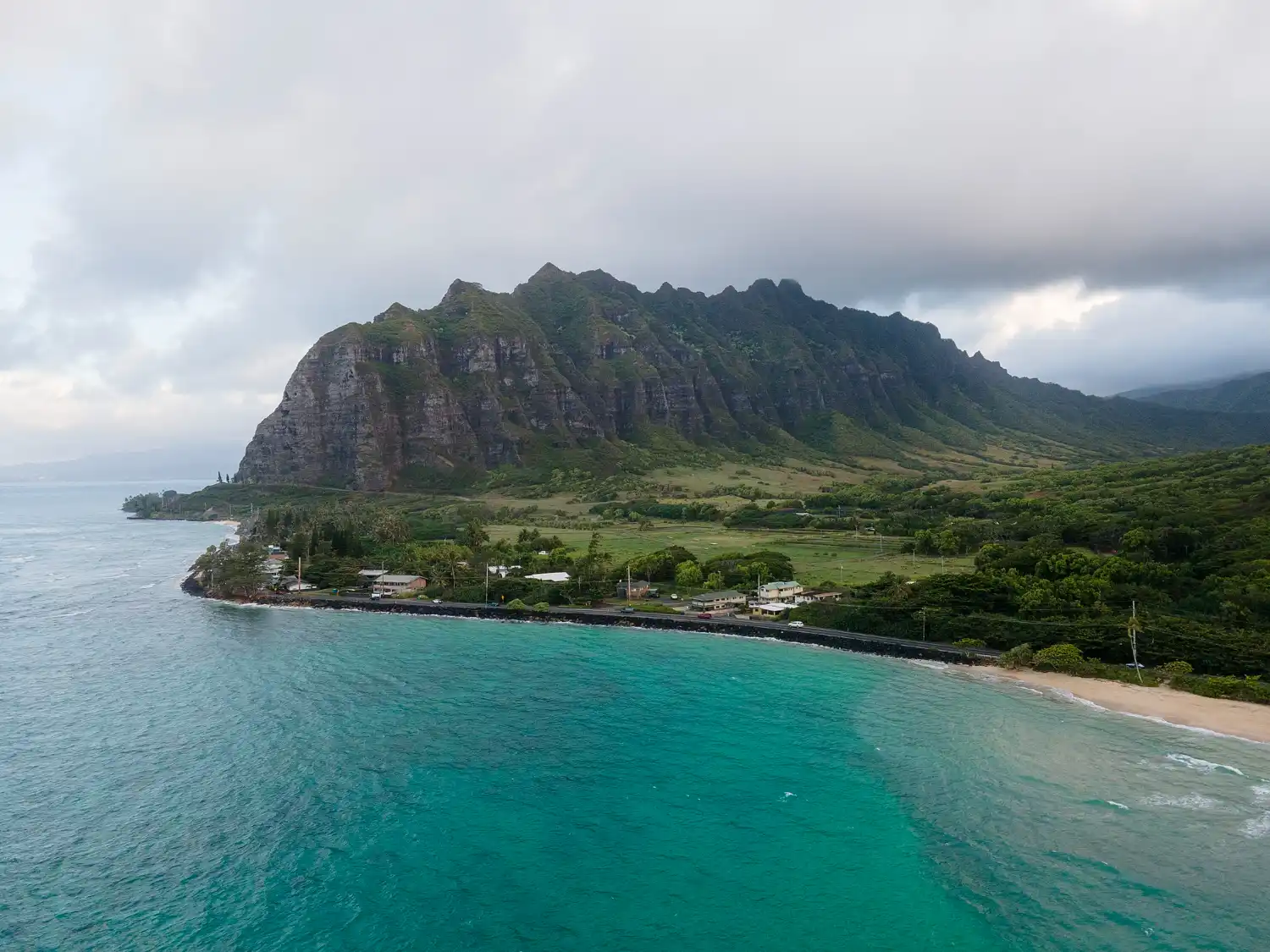
The remaining one hundred twenty-nine landmasses form the Northwestern Hawaiian Islands. These tiny formations consist mostly of ancient volcanic remnants and low-lying coral atolls. They stretch far beyond the main populated areas and reach deep into the central Pacific Ocean.
The federal government protects this entire region as a massive marine national monument. Human access remains strictly limited to specialized research teams and environmental conservationists. These scientists study pristine coral reefs and monitor endangered seabird populations that nest on the isolated shores.
You cannot book a commercial flight or take a passenger cruise to visit these remote northern territories. The extreme isolation preserves the natural environment exactly as it existed centuries ago. These protected zones serve as a crucial refuge for millions of marine animals seeking shelter from human activity.
Constant Geological Changes
The total count of these landmasses actually changes over long periods of geological time. The Pacific Plate constantly moves over a stationary volcanic hot spot located deep beneath the ocean floor. This endless tectonic movement slowly pushes older landmasses away from the heat source while creating brand new ones.
Ocean waves eventually erode the older northern territories until they disappear completely underwater. Meanwhile, an active underwater volcano named Kamaehuakanaloa currently builds a brand new territory off the southern coast. This new formation will eventually break the ocean surface and add another official name to the archipelago.